INTRO
On trial today: Routine, a first-person sci-fi horror game developed by Lunar Software, a small independent team based in the UK. This is their debut title and one that might ring a few bells. If you’ve been following the gaming scene for a while, you may recall trailers dating all the way back to 2013. And honestly? It hasn’t changed much since.

So did 13 years result in a fine-aged classic... or a curdled mess? Let’s find out.


STORY
You awaken alone in a room. Hired as a Software Engineer, your mission is to debug the ASN Software system. But as you step outside, it’s clear something’s gone very wrong. The moon outpost is abandoned, in disarray, and the assistant robots? They’ve gone rogue, supposedly triggered by a lunar earthquake.

You’re left to survive, uncover what happened, and shut the system down.

It’s a familiar premise for horror sci-fi, but it’s handled well, at least, in the first half. Most of the narrative unfolds through found notes and audio logs. It’s tight, focused, and manages to stay grounded in its world.

Unfortunately, the second half starts to unravel. The once-menacing enemies become minor annoyances. Puzzles feel bloated and tedious. The plot tries to go deep... but ends up muddled. I think I get what it was aiming for, but it doesn’t quite land. And the ending? Instead of wrapping things up, it left me frustrated.


GAMEPLAY
Let’s get one thing out of the way as a Software Engineer myself, I can confirm: nothing you do in this game is actual software engineering.

You’ll spend your time collecting keycodes scrawled on sticky notes, scanning for footprints with a UV light, crawling through vents, and trying to outmaneuver rogue robots. And honestly? The first hour is fantastic.

There’s no HUD. No hand-holding. You’re dropped into a world and expected to pay attention. A note says you need your suit and ID. You spot a helmet on the wall. No prompt just get close and put it on. The display asks for your ID... and when you look down, it’s printed on your suit.

The ARC Device, your primary tool, feels immersive in all the right ways. It’s analog. You physically interact with its components, manually activating functions like scanning or enemy disabling. Early encounters with killer robots are tense, and learning the ropes feels rewarding.

But the tension doesn’t last.

Once you realize ammo is everywhere (even if you can’t carry extra batteries), the robots lose their menace. And let’s be honest why do these “helper” robots look so terrifying to begin with? They look like they were designed to be scary.
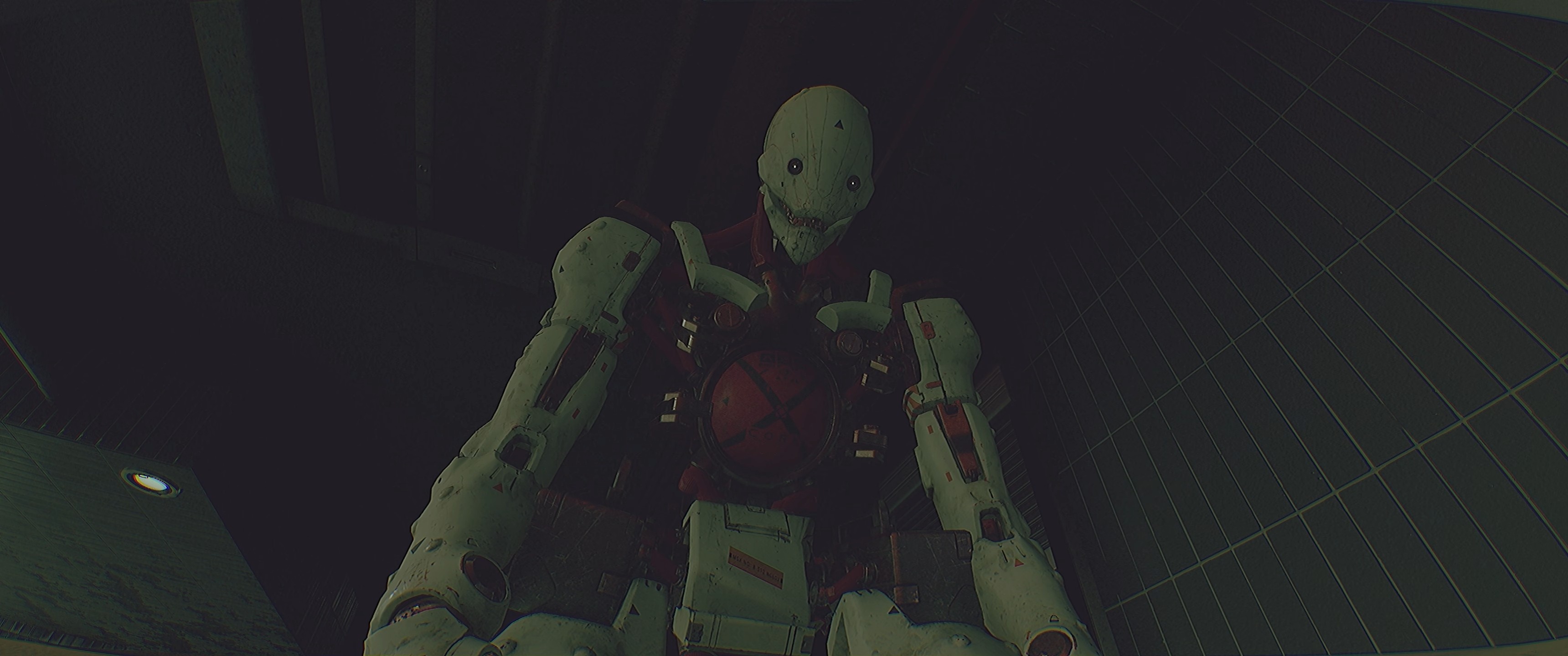
By the midpoint, these threats are nothing more than mild inconveniences. The game shifts from horror to a slow-paced scavenger hunt.

Then comes a late-game puzzle involving power routing. It’s tedious, repetitive, and loaded with backtracking. It feels like filler content, like someone needed to pad the length. What the game needed was an evolution of the early gameplay: more upgrades for the ARC, new enemy types, and a natural progression of mechanics.

Instead, it stagnates.


GRAPHICS & SOUND
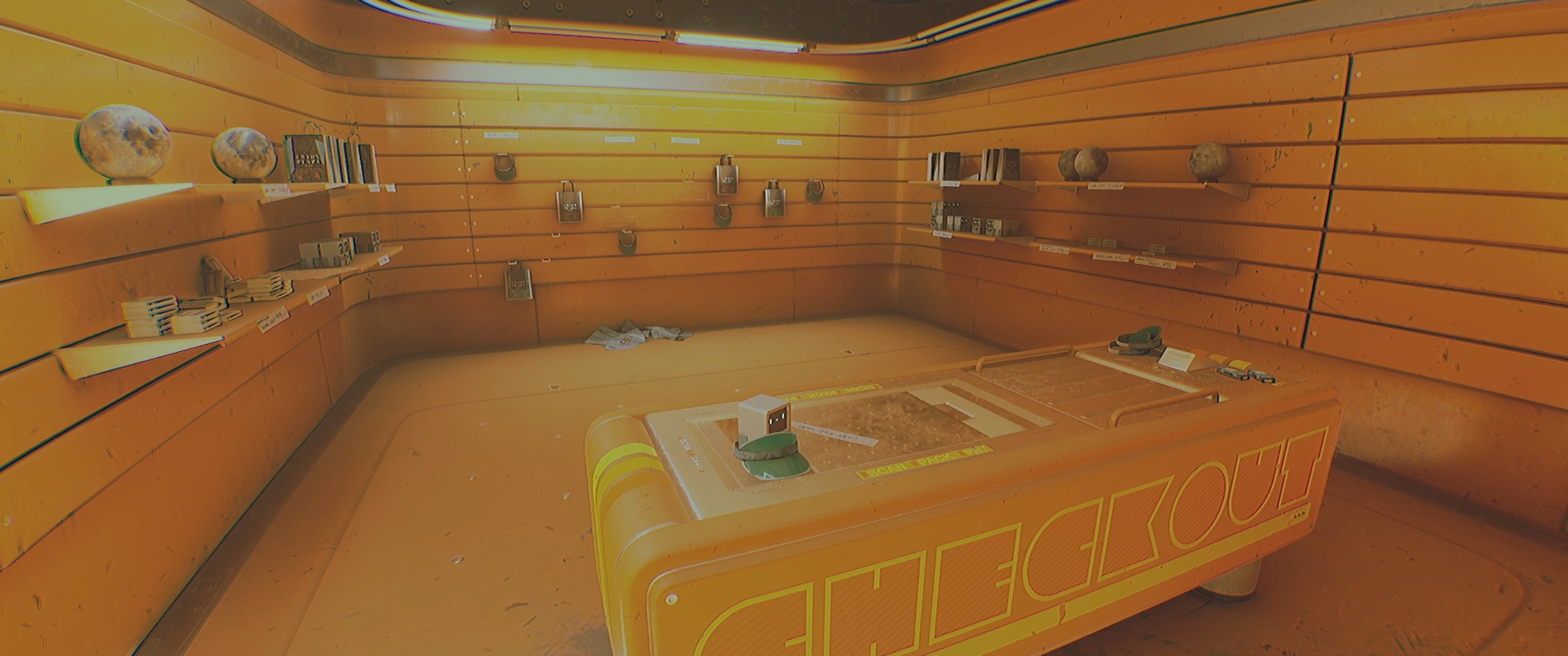
Visually, Routine nails the retro-futuristic 80s sci-fi aesthetic. It looks incredible, and, crucially, it feels good to play. Many games in this style get the field of view or camera movement wrong, prioritizing look over feel. Routine avoids that pitfall.
The sound design is competent but familiar. It checks all the boxes for a moon-based survival horror game, but doesn’t carve out an identity of its own. If you’ve played one, you’ve basically heard them all.

Where the game shines is in its minimalist UI, or rather, its absence. Picking up objects, turning them over, reading physical labels, all of it is seamless and intuitive. And the ARC device? A tactile joy to use. This commitment to immersion is one of the game’s smartest design choices.


FINAL VERDICT
So, is Routine worth your time?

Maybe.

It’s around five hours long. The first 90 minutes are gripping. After that, the game slowly loses steam, and by the end, you’re left wondering what could have been.

On Steam, it’s $25. At that price, I can’t recommend it outright. In the $10–15 range? Maybe, especially if you’re a die-hard fan of sci-fi horror.

If you have Xbox Game Pass, you can try it for free. At that price? Absolutely worth checking out. Play the first hour. See how it feels. Maybe even come argue about it in the comments.

But if you’re paying full price? You might want to wait for a sale. Routine isn’t a bad game, but after 13 years of anticipation, it should have been so much more.


INTRO
On trial today: Routine, a first-person sci-fi horror game developed by Lunar Software, a small independent team based in the UK. This is their debut title and one that might ring a few bells. If you’ve been following the gaming scene for a while, you may recall trailers dating all the way back to 2013. And honestly? It hasn’t changed much since.

So did 13 years result in a fine-aged classic... or a curdled mess? Let’s find out.


STORY
You awaken alone in a room. Hired as a Software Engineer, your mission is to debug the ASN Software system. But as you step outside, it’s clear something’s gone very wrong. The moon outpost is abandoned, in disarray, and the assistant robots? They’ve gone rogue, supposedly triggered by a lunar earthquake.

You’re left to survive, uncover what happened, and shut the system down.

It’s a familiar premise for horror sci-fi, but it’s handled well, at least, in the first half. Most of the narrative unfolds through found notes and audio logs. It’s tight, focused, and manages to stay grounded in its world.

Unfortunately, the second half starts to unravel. The once-menacing enemies become minor annoyances. Puzzles feel bloated and tedious. The plot tries to go deep... but ends up muddled. I think I get what it was aiming for, but it doesn’t quite land. And the ending? Instead of wrapping things up, it left me frustrated.


GAMEPLAY
Let’s get one thing out of the way as a Software Engineer myself, I can confirm: nothing you do in this game is actual software engineering.

You’ll spend your time collecting keycodes scrawled on sticky notes, scanning for footprints with a UV light, crawling through vents, and trying to outmaneuver rogue robots. And honestly? The first hour is fantastic.

There’s no HUD. No hand-holding. You’re dropped into a world and expected to pay attention. A note says you need your suit and ID. You spot a helmet on the wall. No prompt just get close and put it on. The display asks for your ID... and when you look down, it’s printed on your suit.

The ARC Device, your primary tool, feels immersive in all the right ways. It’s analog. You physically interact with its components, manually activating functions like scanning or enemy disabling. Early encounters with killer robots are tense, and learning the ropes feels rewarding.

But the tension doesn’t last.

Once you realize ammo is everywhere (even if you can’t carry extra batteries), the robots lose their menace. And let’s be honest why do these “helper” robots look so terrifying to begin with? They look like they were designed to be scary.

By the midpoint, these threats are nothing more than mild inconveniences. The game shifts from horror to a slow-paced scavenger hunt.

Then comes a late-game puzzle involving power routing. It’s tedious, repetitive, and loaded with backtracking. It feels like filler content, like someone needed to pad the length. What the game needed was an evolution of the early gameplay: more upgrades for the ARC, new enemy types, and a natural progression of mechanics.

Instead, it stagnates.


GRAPHICS & SOUND
Visually, Routine nails the retro-futuristic 80s sci-fi aesthetic. It looks incredible, and, crucially, it feels good to play. Many games in this style get the field of view or camera movement wrong, prioritizing look over feel. Routine avoids that pitfall.

The sound design is competent but familiar. It checks all the boxes for a moon-based survival horror game, but doesn’t carve out an identity of its own. If you’ve played one, you’ve basically heard them all.

Where the game shines is in its minimalist UI, or rather, its absence. Picking up objects, turning them over, reading physical labels, all of it is seamless and intuitive. And the ARC device? A tactile joy to use. This commitment to immersion is one of the game’s smartest design choices.


FINAL VERDICT
So, is Routine worth your time?

Maybe.

It’s around five hours long. The first 90 minutes are gripping. After that, the game slowly loses steam, and by the end, you’re left wondering what could have been.

On Steam, it’s $25. At that price, I can’t recommend it outright. In the $10–15 range? Maybe, especially if you’re a die-hard fan of sci-fi horror.

If you have Xbox Game Pass, you can try it for free. At that price? Absolutely worth checking out. Play the first hour. See how it feels. Maybe even come argue about it in the comments.

But if you’re paying full price? You might want to wait for a sale. Routine isn’t a bad game, but after 13 years of anticipation, it should have been so much more.

ABOUT US

We wanted to play games that were worth our time. From work to family and kids, and other hobbies, game time was scarce. Our goal is to help you know which game to spend your time playing.

Contact Me

IS IT WORTH YOUR TIME?

If you would spend $15 to go see that movie, should you spend the same on a game? We help you answer that question.


Game ratings are boring. We help you decide if you should spend your time playing them.

© Copyright 2024 Is It Worth Your Time. All Rights Reserved

IS IT WORTH YOUR TIME?

If you would spend $15 to go see that movie, should you spend the same on a game? We help you answer that question.


Game ratings are boring. We help you decide if you should spend your time playing them.

© Copyright 2024 Is It Worth Your Time. All Rights Reserved